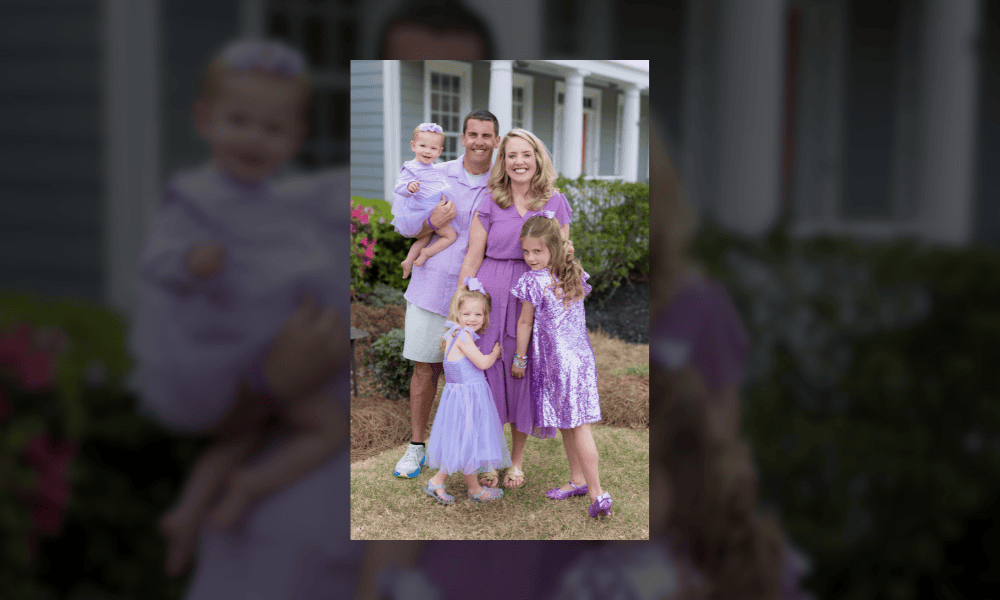
Ribbons have been appearing in a local neighborhood and near an elementary school as a visible signal of support for a child fighting a serious illness.
The child was diagnosed with a rare, aggressive brainstem tumor that is inoperable. Standard treatment is radiation.
The family is preparing for an experimental CAR T-cell therapy clinical trial in California, which will require travel and extended stays.
The child's mother has spoken publicly about focusing on the child living her best life while outcomes remain unknown.
DIPG cannot be removed surgically because of where it grows. Radiation can slow the disease but is not curative. CAR T-cell therapy is among the experimental approaches being tested in clinical trials for DIPG, which has historically had very limited treatment options.
Community support is helping make the trial logistically possible. Arrangements are still being finalized.
This is part of ongoing local coverage of DIPG cases. The story continues to develop.
Why it matters — DIPG has almost no curative options, and Aubrey's pursuit of an experimental trial in California illustrates both the lengths families must go to access cutting-edge pediatric cancer research and the role a local community plays in making that possible.
⚠ Not yet confirmed
- Arrangements for the California clinical trial are still being finalized
- All references to Aubrey Ward, Lisa Ward, Peachtree City, Centennial neighborhood, Braelinn Elementary, spring 2026 diagnosis, eye movements noticed by mother and teacher, 30 rounds of radiation while attending kindergarten, two younger sisters, specific trial logistics (port placement, cell collection), 'The Citizen' attributions, 'second installment' and 'Part 1' framing, purple bows, and any direct quotes or named actions
⚠ Based on a single source (thecitizen.com). Independently unverified — details may change.
Reported by thecitizen.com
Where this comes from
Written by Papalocal's AI from these outlets' reporting. It can miss or misread things; the outlets are the record.